
Prometheus Eco Racing (NTUA) / Case study
PYRFOROS IV.
Fourth-generation ultra-efficient prototype for the Shell Eco-marathon — designed, built, and raced with one target: the most kilometres out of every kilowatt-hour.
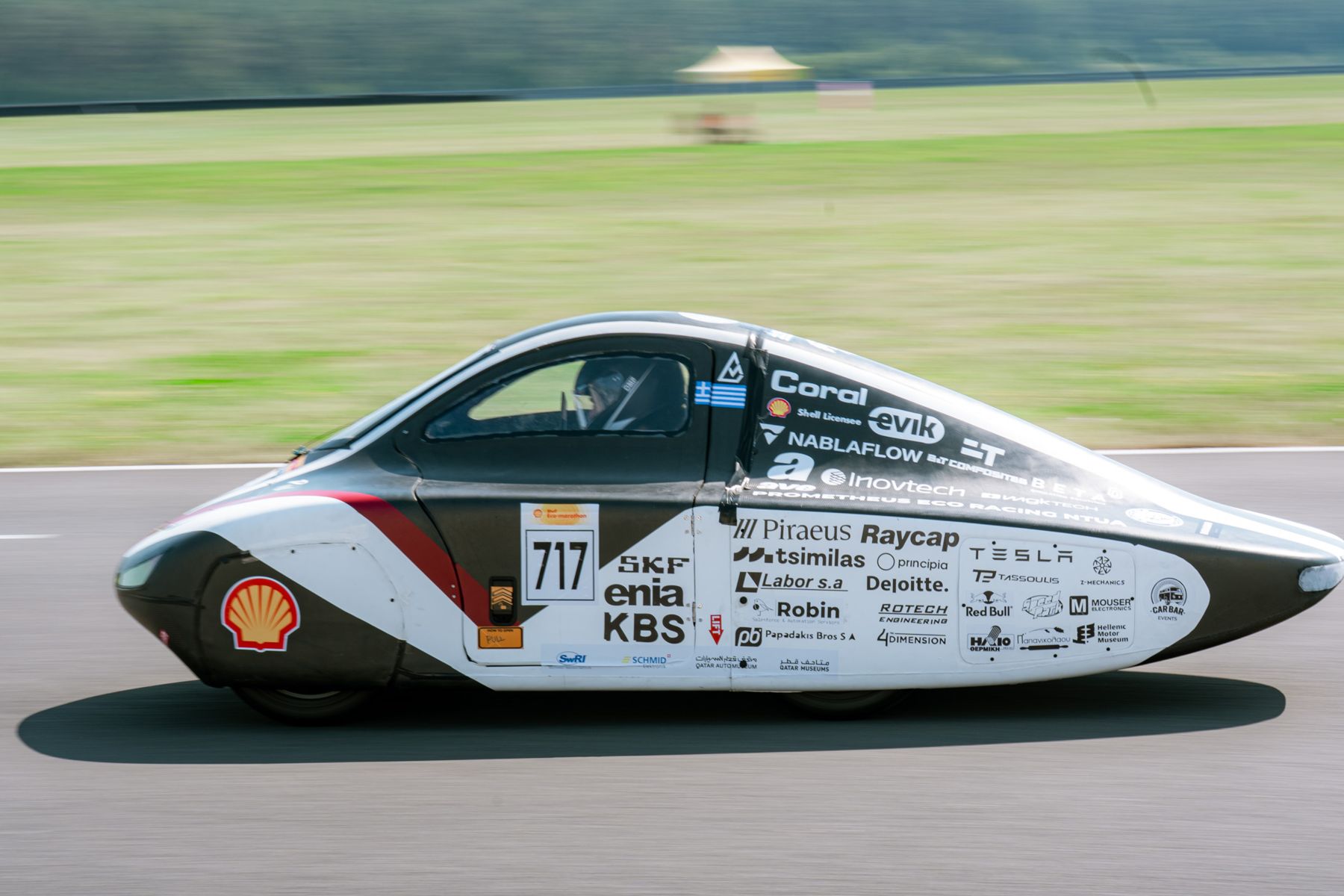
FIG. 01 — PYRFOROS IV · Shell Eco-marathon Europe 2026
Overview
PYRFOROS IV is the fourth-generation prototype from Prometheus Eco Racing, NTUA's Shell Eco-marathon team. As Mechanical Lead, I directed the car's structural design, composites manufacturing, and aerodynamic development from concept through competition.
The car finished 7th overall at Shell Eco-marathon Europe 2026 at ~202 km/kWh — roughly 2.5× the efficiency of the prior generation — and won the Vehicle Design Award.
- Structural design & CFRP monocoque
- CFD-driven bodywork development
- FEA validation of chassis & suspension
- Vehicle dynamics tuning
Chassis & composites
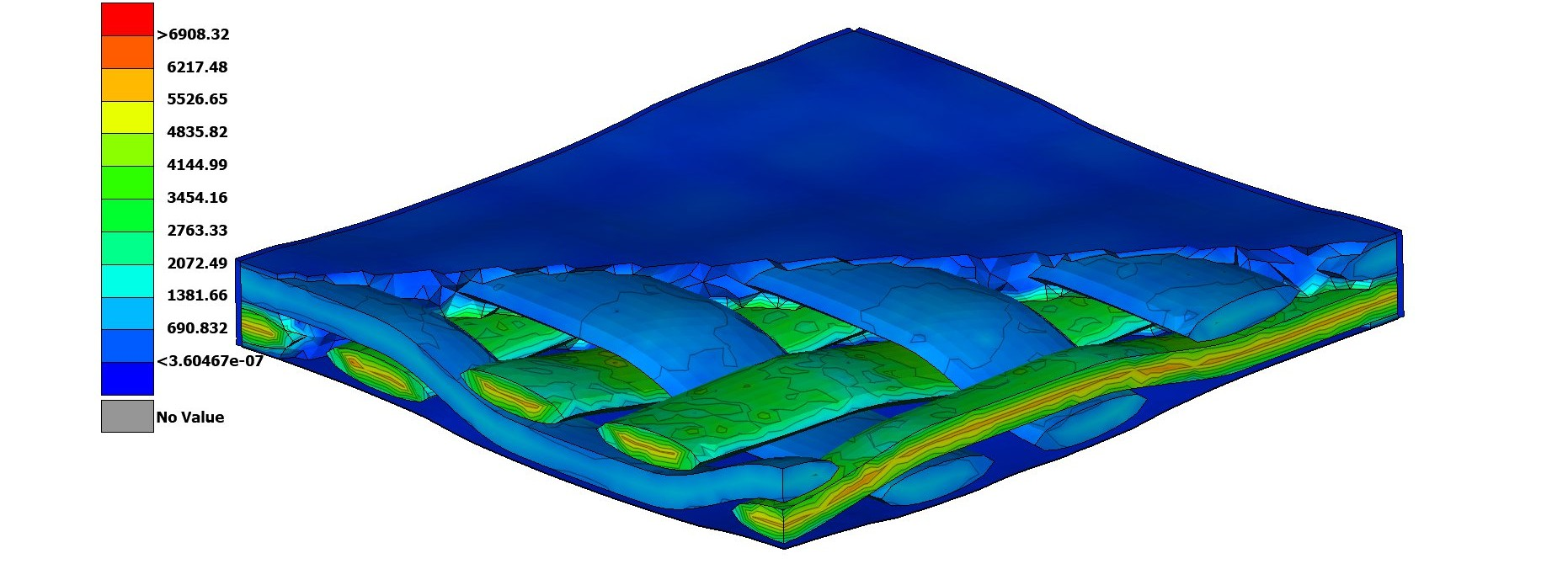
The CFRP monocoque and body panels were engineered and laid up in-house to minimise mass while meeting scrutineering stiffness and safety requirements.
Aerodynamics & CFD
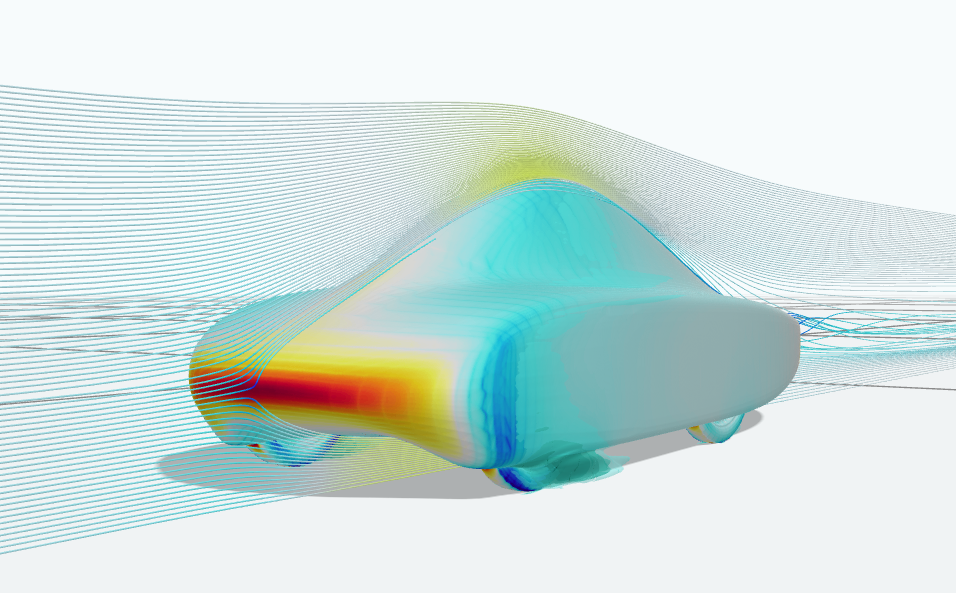
Bodywork development was driven by CFD to cut aerodynamic drag at race speed.
Structures & vehicle dynamics
Chassis and suspension components were FEA-validated ahead of scrutineering, and the vehicle dynamics setup was tuned to balance rolling resistance, stability, and efficiency targets.
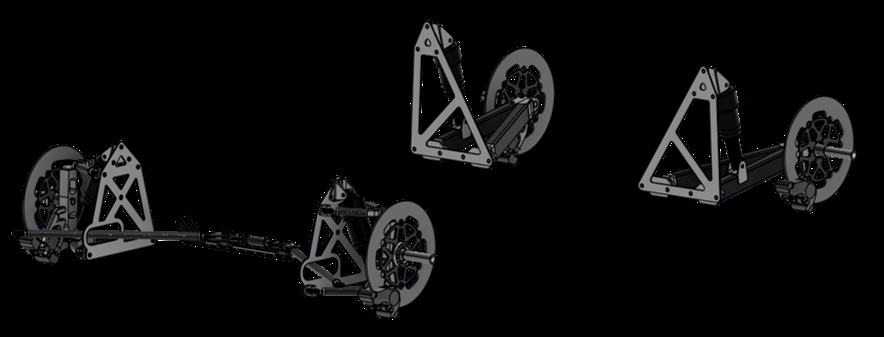
PYRFOROS III → PYRFOROS IV
Every decision above traces back to one lap-simulation energy budget for the Poland circuit: 48% of lap energy lost to aerodynamic drag, 26% to rolling resistance (mass). Measured against the previous-generation car, here's where that went:
Results
7th overall
~202 km/kWh
Vehicle Design Award Winner